
BYD Company Limited has rapidly expanded its global electric vehicle lineup, and the BYD Seal is one of its most competitive electric sedans. The white BYD Seal variant is especially popular due to its clean aesthetic, premium styling, and strong road presence.
Positioned as a direct competitor to models from Tesla, the BYD Seal combines performance, range, and affordability in a single package.
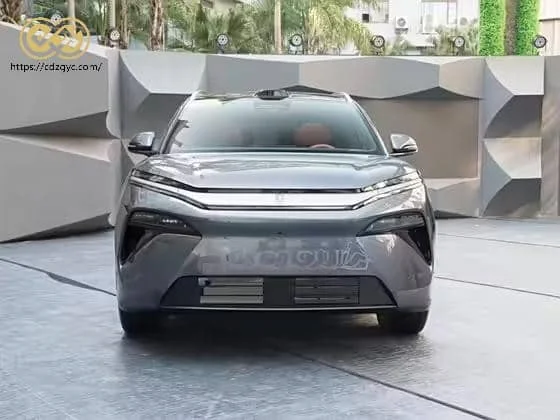
White BYD Seal design
The white exterior finish enhances the Seal’s futuristic design language. Its low aerodynamic profile and coupe-like shape give it a sporty yet elegant appearance.
Key design highlights
- Sleek fastback sedan silhouette
- LED light bar across the rear
- Minimalist front grille design
- White paint enhances premium look
The white color option is often chosen for its clean, modern, and luxury-inspired appearance.
BYD Seal price
One of the most important factors for buyers is the BYD Seal price, which remains competitive in the global EV market.
Estimated price range
- Base model: ~$38,000 – $45,000 USD
- Higher trims: up to ~$50,000 USD
What affects price
- Battery capacity
- Dual-motor performance version
- Market taxes and import costs
Compared to similar electric sedans, the Seal offers strong value for its performance level.
BYD Seal interior

The BYD Seal interior is one of its strongest selling points, combining modern design with practical comfort.
Interior features
- Large rotating central touchscreen
- Fully digital instrument cluster
- Premium leather seating surfaces
- Ambient lighting system
- Clean, minimalist dashboard layout
Comfort and space
- Spacious front and rear seating
- Good legroom for a mid-size sedan
- Quiet cabin with strong insulation
The interior design focuses on simplicity and digital experience rather than physical buttons.
White BYD Seal specs
The white BYD Seal specs vary depending on configuration, but generally include strong performance and long range capability.
Performance specs
- Range: ~500–650 km (CLTC)
- Power: Single and dual motor options
- Acceleration: ~3.8–5.9 seconds (0–100 km/h depending on trim)
- Battery: Blade Battery (LFP technology)
Charging
- Fast charging support
- DC fast charge capability
- Efficient energy recovery system
Driving characteristics
- Stable high-speed performance
- Sport-oriented suspension tuning
- Balanced ride comfort
Technology and features
The Seal is equipped with advanced smart features:
- Driver assistance systems
- Adaptive cruise control
- Lane keeping assist
- OTA software updates
- Intelligent connectivity system
While not as software-heavy as Tesla, it provides a stable and practical user experience.
Driving experience
The white BYD Seal is designed for drivers who want both comfort and performance.
What to expect
- Strong acceleration in dual-motor versions
- Smooth and quiet ride
- Responsive steering
- Balanced suspension setup
It performs well in both city and highway conditions.
Market position
The Seal sits in the mid-to-upper electric sedan segment.
Key competitors
- Tesla Model 3
- Hyundai Ioniq 6
- Volkswagen ID.7
Its advantage lies in:
- Lower pricing
- Strong battery safety
- High performance-to-price ratio
Pros & Cons
Pros
- Attractive pricing for performance level
- Premium and modern interior design
- Long driving range
- Strong acceleration in AWD versions
- Clean white exterior aesthetic
Cons
- Software ecosystem less advanced than Tesla
- Brand recognition still growing globally
- Charging infrastructure depends on region
- Resale value varies across markets
- Limited availability in some countries
FAQ
What is the BYD Seal price?
The BYD Seal typically costs between $38,000 and $50,000 USD, depending on trim.
What is special about the white BYD Seal?
The white version highlights the car’s futuristic design and gives it a more premium appearance.
What are BYD Seal specs?
It offers up to 650 km range, dual-motor performance options, and fast charging support.
How is the BYD Seal interior?
It features a minimalist design, large touchscreen, and high-quality materials.
Is the BYD Seal better than Tesla Model 3?
It depends: Seal offers better pricing, while Model 3 has stronger software and ecosystem.





 English
  Chinese
  Russian
  Arabic