
On July 1, 2026, 26 mandatory testing national standards for automobiles were collectively implemented, with over 80 new national standards landing throughout the year. This represents the largest-scale集中 implementation of China’s automotive safety standards system in recent years.
Electric Vehicle Safety Requirements
The Electric Vehicle Safety Requirements and Safety Requirements for Power Batteries of Electric Vehicles impose stricter technical requirements on the design, production, and testing of EVs and batteries. Bottom-impact collision tests have been added, and one-touch enhanced safety features have been incorporated into regulations for the first time.
These standards mean that EVs must consider battery pack safety during collisions at the design stage, particularly the protective capability in bottom-scraping scenarios.
Side Impact Standards Significantly Upgraded
The Occupant Protection in Side Impact is the most stringent upgrade to side-impact safety standards in nearly 20 years, comprehensively raising the safety threshold for vehicle entry. As NEV penetration rates increase and the proportion of range-extended and hybrid models grows, these vehicles’ overall weight is significantly greater than comparable fuel vehicles, placing higher demands on crash safety.
Other Important Standards
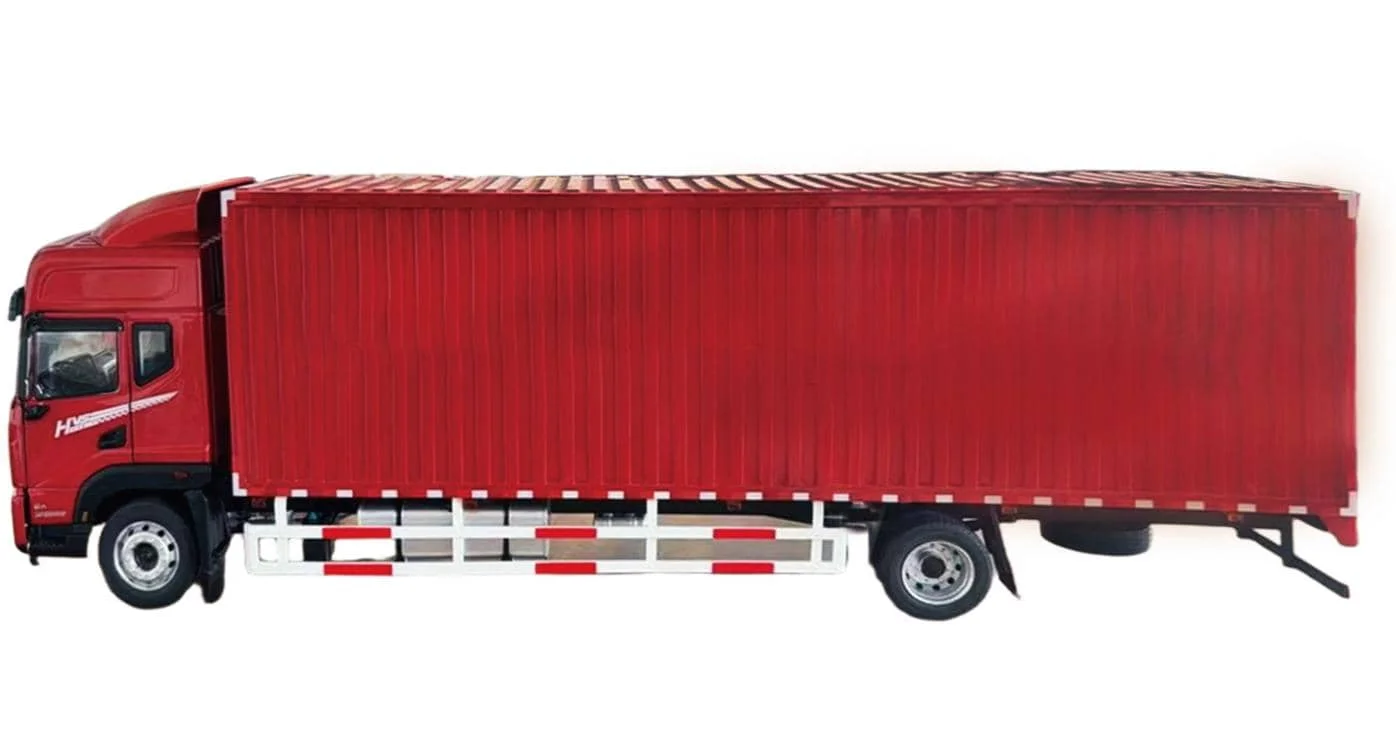
Multiple standards including the Retro-Reflective Devices for Motor Vehicles (GB 11564-2024) have also been implemented, covering vehicle lighting, signaling, passive safety, and other fields. All new products applying from July 1, 2026 must comply with the new standards.





 English
  Chinese
  Russian
  Arabic