
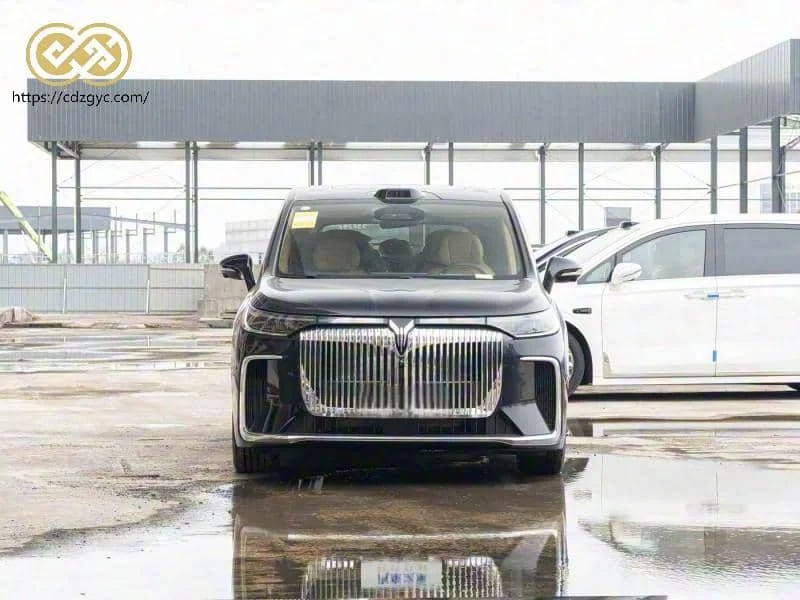
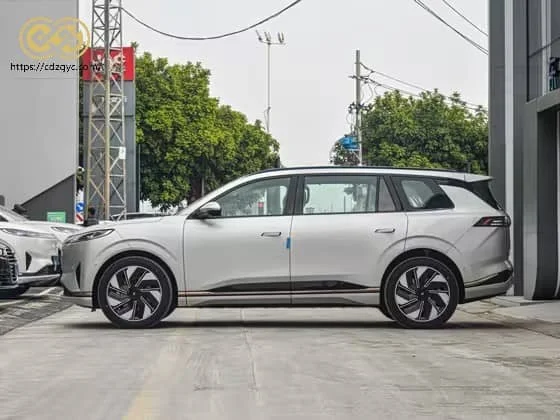
In Dubai, UAE, in August, the outdoor temperature approaches 50 degrees Celsius at noon. Opening the Apollo Go app at Jumeirah Beach, within less than two minutes, a black car pulls up to the curb. No driver, no steering wheel — Chinese autonomous taxis are writing a new overseas story in the Middle Eastern desert.
Dubai Test Experience
Unlock the door with your phone, cool air rushes in, the interior is spacious and clean, and after a voice prompt to fasten seat belts, the vehicle starts smoothly. The car drives automatically along the coastal road, accurately recognizing traffic lights, changing lanes to avoid obstacles, and stopping at destinations, all without human intervention.
Robotaxi Commercialization Turning Point
2026 marks the critical point where Robotaxis transition from technology validation to scaled commercial operations. When Waymo’s weekly paid orders exceed 250,000, when Pony.ai achieves per-vehicle profitability in Guangzhou, and when Tesla officially launches Robotaxi passenger services in Austin — these signals collectively point to the commercialization turning point.
China’s Robotaxi Industry Upgrade
China’s Robotaxi industry is shifting from small-scale pilot programs to mass-produced commercial fleets. Major automakers and ride-hailing platforms have begun large-scale production of autonomous vehicles, conducting commercial operations in multiple cities. Apollo Go has launched fully driverless ride services in Wuhan, Beijing, Shenzhen, and other cities, successfully replicating the model overseas.
Strategic Significance of Going Global
The extreme climate conditions of high temperature and humidity in the Middle East provide highly challenging test scenarios for autonomous driving technology. The successful operation of Chinese Robotaxis in Dubai proves that China’s autonomous driving technology has achieved global adaptability.






 English
  Chinese
  Russian
  Arabic