
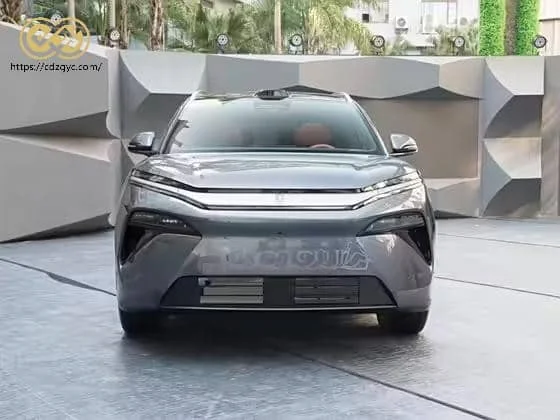
As we move through 2026, BYD remains a central figure in the global electric vehicle conversation. From the sleek “Dragon Face” design of its SUVs to its fluctuating market performance, there is much to unpack for prospective buyers and investors alike. This guide explores the latest BYD Atto 3 price offer, the reality of purchasing a BYD in the United States, and the economic factors currently impacting the brand.
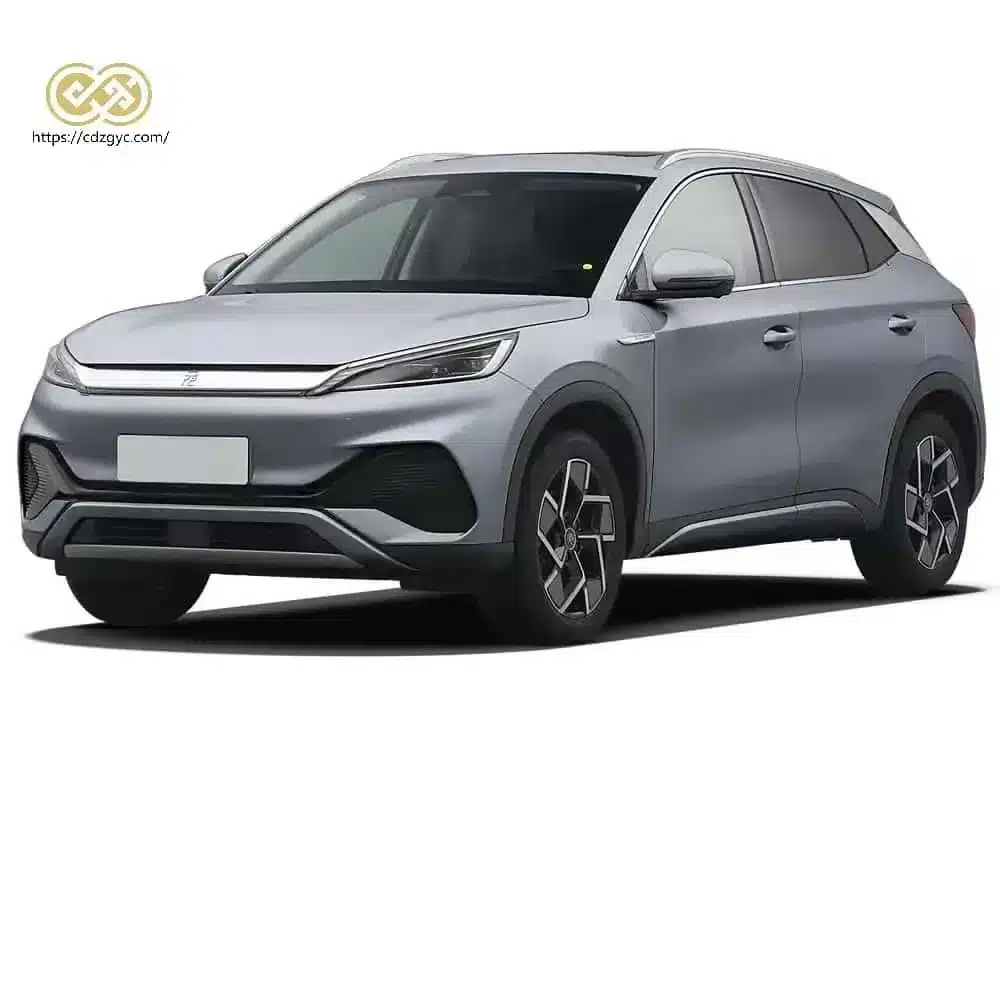
BYD Atto 3: 2026 Price, U.S. Availability, and Market Trends
What is the Price of a BYD Atto 3?
In 2026, the BYD Atto 3 continues to be one of the most competitively priced electric SUVs globally. Following the launch of the “EVO” refresh, which introduced faster 220kW DC charging and an 800V platform on higher trims, pricing has bifurcated slightly to accommodate both budget-conscious and tech-focused buyers.
-
Essential (Standard Range): Starting from approximately $39,990 USD (regional equivalent).
-
Premium (Extended Range): Typically priced around $44,990 USD.
-
2026 Atto 3 EVO: This high-performance variant, featuring the 800V architecture, starts closer to $48,500 USD.
Current BYD Atto 3 Price Offer
To combat rising competition from brands like Chery and Geely, many regions are currently running a BYD Atto 3 price offer that includes “Drive-away” pricing. These deals often bundle registration, stamp duty, and a home wall-box charger for a flat fee, effectively saving buyers between $2,000 and $3,500 compared to a-la-carte pricing.
Can I Buy a BYD Vehicle in the USA?
The most common question from North American enthusiasts remains: Can I buy a BYD vehicle in the USA? As of early 2026, the answer for private consumers is still no. While BYD has established a strong presence in Mexico and Brazil, and even exports commercial buses and trucks to the U.S. market, its passenger cars (like the Atto 3 or Seal) remain unavailable for retail purchase in the United States.
The primary barriers are political and regulatory:
-
High Tariffs: Heavy import duties on Chinese-made EVs make it difficult for BYD to maintain its “affordable” edge in the U.S.
-
Certification Costs: Meeting specific U.S. Federal Motor Vehicle Safety Standards (FMVSS) requires significant investment per model.
-
Geopolitics: Trade tensions have led to a “wait-and-see” approach, with BYD focusing its 2026 expansion on Southeast Asia, Europe, and Australia instead.
Why is BYD Falling?
Investors have noted recent volatility, asking: Why is BYD falling? Despite delivering over 4.5 million vehicles in 2025, the brand faced a challenging start to 2026. Several factors are at play:
-
Domestic Slump: Domestic sales in China saw a significant year-over-year drop in early 2026 (down 65% in February alone) due to the end of aggressive government subsidies and a cooling economy.
-
The “Price War” Fatigue: While price cuts helped BYD gain a massive market share in 2024, they have begun to compress profit margins, causing some investors to shift toward higher-margin competitors.
-
Rising Material Costs: The price of lithium and other rare minerals vital for the Blade Battery has seen a resurgence in 2026, increasing manufacturing overhead.
-
Market Saturation: In many mature EV markets, the early-adopter phase has passed, leading to a slower growth rate for all major manufacturers.
Summary Table: 2026 BYD Atto 3 Quick Specs
Whether you are tracking the BYD Atto 3 price offer for a new family car or analyzing why BYD is falling on the stock exchange, the brand remains a pivotal force. Its ability to pivot toward ultra-fast charging with the Atto 3 EVO suggests that while the market is currently volatile, BYD’s technological roadmap remains as aggressive as ever.










 English
  Chinese
  Russian
  Arabic